
Pilot to production
Many pilots “work.” They produce a compelling demo, a useful result set, or a promising early metric. Then they stall. The usual explanation is technical complexity, but that is rarely the full story.
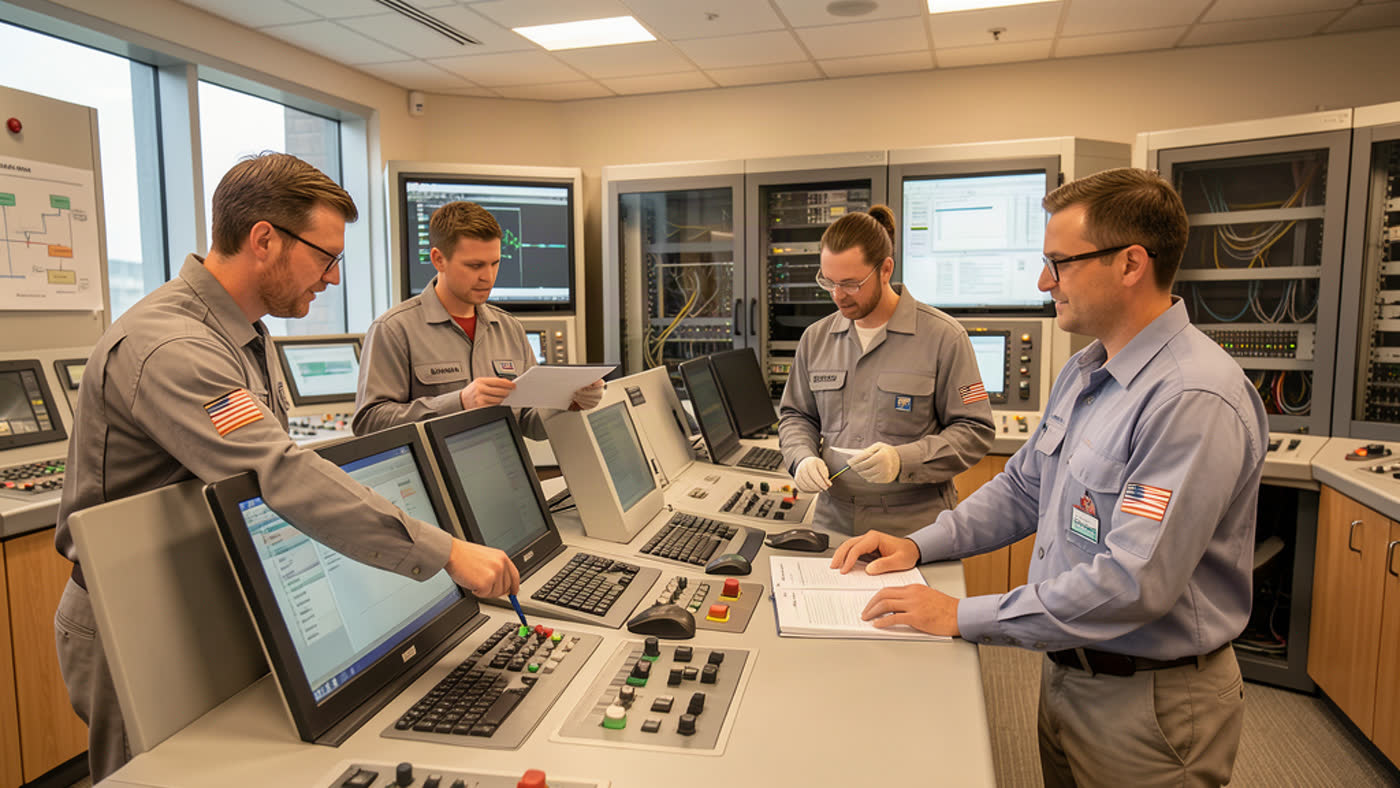
Pilots often fail on the way to production because the organization built a proof of concept without building the conditions that let the proof survive. Data pipelines are brittle. Governance is undocumented. Ownership is ambiguous. Monitoring is absent. Support expectations are unspecified. Nobody agreed who is responsible once the workflow becomes real.
The model is not the only thing going to production. The organization is.
Real-world data quality, latency, lineage, and integration constraints surface weaknesses hidden by the pilot environment.
Approval records, explainability expectations, risk management, and escalation paths need to be designed before deployment pressure peaks.
Someone must own performance, issue response, iteration, and handoffs once the workflow is operating.
That is why pilot-to-production work is rarely just a technical hardening exercise. It is a data, governance, operating, and accountability exercise wearing a technical label.
If the organization wants its first AI deployment to create confidence instead of skepticism, the production pattern has to be as deliberate as the model itself.